
What You Will Learn
- Clear definitions of PVC soft kettlebells vs cast iron kettlebells
- A comparison table for floor risk, density, handle feel, and channel fit
- When a cheap kettlebell line should be soft PVC—and when it must be iron
- PO fields that stop soft and iron families from being mixed on one vague SKU
Table of Contents
Definitions
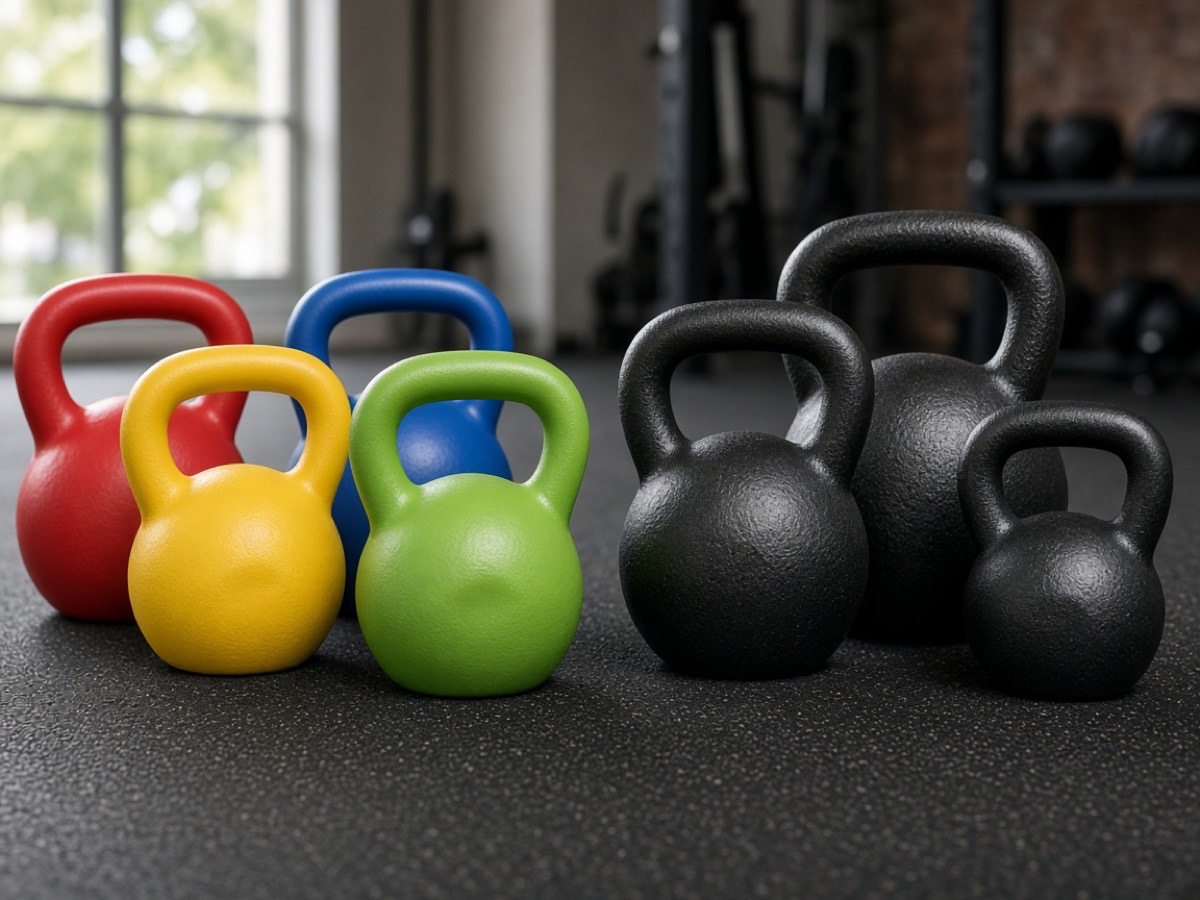
PVC soft kettlebells are flexible shells filled with sand, iron powder, or similar media so the bell can deform slightly on impact and protect floors and users during teaching or rehab work. Cast iron kettlebells are solid or near-solid iron bells with a fixed handle geometry built for swings, cleans, and commercial floor volume.
Yunlingyu supplies PVC soft kettlebells for home gym training alongside cement-filled PE lines such as colorful cement kettlebells. Soft PVC is not the same as cement PE—different shell, different fill, different failure modes. Cast iron and competition steel are a third family again; see cast iron vs competition kettlebells for that split.
Retail search for a sand kettlebell often maps to soft filled bells. A heavy kettlebell search usually expects iron density. Do not answer both intents with one unmarked “kettlebell” carton.
Comparison table
| Factor | PVC soft | Cast iron |
|---|---|---|
| Primary use | Teaching, kids, rehab, floor-safe classes | Swings, cleans, commercial strength floors |
| Impact feel | Absorbs; can bounce or deform | Hard; needs mats or platforms |
| Density / size | Larger OD at the same kg | Smaller, denser bell |
| Handle | Often softer grip; weld/seam on shell | Cast or welded iron handle geometry |
| Fill risk | Leak, clump, odor if seal fails | No fill; chip/paint and handle QC |
| Price band | Often the cheap kettlebell entry SKU | Higher freight and unit cost |
| Inspection focus | Seam, fill seal, mass, shell tear | Handle weld/cast, mass, finish |
Copy the table into assortment meetings. “Order both” is fine after channel demand is clear; “order both blindly” creates wrong fulfillment when a PT studio asks for soft and receives iron.
What importers should order first
Order PVC soft first if your buyers are schools, hotels, boutique studios, or home channels that fear floor damage and need colorful entry weights. Soft bells also win when the listing story is family fitness or rehab—not competitive kettlebell sport.
Order cast iron first if your primary customer runs swing classes, group strength, or gym fit-outs that already stock iron hex dumbbells and want matching hardness. A heavy kettlebell ladder (16–32 kg and up) almost always belongs in iron or competition steel, not soft PVC.
Budget also decides sequence. Soft PVC often undercuts iron on unit price and can look like a winning first container—until returns arrive from buyers who expected iron swing feel. Write the channel plan in the RFQ so sales and procurement do not argue after sailing.
First-container rule of thumb for a mixed kettlebell importer: fill the swing-floor need with cast iron (or confirm no swing floor), then add a soft PVC ladder for teaching zones and home retail. Do not fill a container with soft bells and promise “commercial kettlebell packages” on the website.
Cement PE bells sit between soft PVC and iron on hardness. If your catalog already includes cement, keep PVC soft on a separate SKU family—see cement kettlebells wholesale buying guide and return-risk notes in cement vs cast iron kettlebell return risk.
PVC soft specs that matter on the PO
- Shell material (PVC grade) and wall thickness
- Fill type: sand, iron powder, or mixed—state exact media
- Seal method at the fill port and handle base
- Handle diameter and grip texture
- Mass tolerance and whether soft compression changes “felt” weight
- Color lot tied to the golden sample
A sand kettlebell line that ships with iron powder instead of sand will fail customs and listing claims. Require fill photos and a cut-sample or X-ray note if your market audits fill. Soft shells that tear at the seam under swing misuse should be limited in the user manual—do not promise sport swings on soft PVC.
Cast iron specs that matter on the PO
- Handle ID/OD and window clearance for two-hand swings
- Cast vs welded handle construction
- Paint or bare finish and chip resistance
- Mass tolerance and diameter map by kg
- Whether the line is “cast iron training” or competition-dimension steel
Handle QC for iron still follows weld and cast inspection habits from kettlebell handle weld inspection. Soft PVC does not replace that checklist—different failure physics.
Packing and mix rules
Never merge soft PVC and cast iron under one vague “kettlebell assortment” line. Use separate SKU codes (SOFT vs CI) on the packing list and carton marks. Soft shells crush under iron bells in the same layer—stack iron low or in separate pallets and photograph layer order at origin PSI.
Soft bells need edge protectors so seams do not rub through. Iron needs wrap to stop paint chips that look like “used” product on arrival. Follow heavy free-weights stuffing habits from export packing for heavy gym equipment.
Retail kits that combine one soft pair with one iron pair for “home and gym” claims need two construction notes in the listing and two QC checklists at PSI. A soft seam leak should not quarantine the iron lot—and a paint chip on iron should not fail a soft-fill inspection sheet.
Boundaries
PVC soft kettlebells are not drop-proof sport bells and are not a substitute for cast iron when the program is swing-heavy. Cast iron is not floor-safe for every hotel or classroom without mats. Neither replaces competition steel when dimensions are regulated.
Skip soft PVC if every buyer quote mentions “competition,” “sport,” or dense heavy kettlebell ladders. Skip a full iron ladder if the only approved use is kids classes and floor-safe teaching—then soft PVC or light cement may win on risk and price.
Also skip selling soft PVC as “cast iron alternative” in markets where liability insurance requires hard bells on the strength floor. Marketing language will not help when a soft shell splits on a missed clean.
FAQ
Should I order PVC soft or cast iron kettlebells first?
Order soft PVC first for floor-safe teaching and home retail; order cast iron first for swing-heavy gyms. Confirm floor rules and class type before you book the container.
Is a sand kettlebell the same as PVC soft?
Often yes in retail language, but the PO must name shell and fill. Sand, iron powder, and gel fills behave differently in QC and customs.
Can one PO include both families?
Yes—on separate lines with separate carton marks. Mixed unmarked kettlebell cartons create receiving errors.
Why do cheap kettlebell listings get returned?
Wrong hardness vs the photo, leaked fill, torn seams, or iron chips. Lock family, fill, and finish before bulk.
Conclusion
PVC soft and cast iron kettlebells solve different floor problems. Importers should order first for the dominant channel—floor-safe teaching vs swing density—then add the second family with hard SKU splits. Put shell, fill, handle, and mass on the PO before a cheap kettlebell price wins the argument. Send channel mix and kg steps at contact-us.
Choosing PVC soft vs cast iron for your next container?
Share floor type, class use, and target kg steps. Yunlingyu will quote soft PVC and iron-related lines on separate packing marks.

