
What You Will Learn
- The hole-size definition that separates Olympic and standard plates
- Why vinyl or stainless finish does not choose the collar for you
- What to order for commercial gyms vs 1-inch home kits
- How to keep mixed programs on separate SKU codes
Table of Contents
Olympic plates vs standard plates
Olympic plates use a large center hole (typically about 50.4 mm / 2 inch) to fit Olympic barbell sleeves; standard plate weights use a smaller hole (typically about 25 mm / 1 inch) for standard bars. Importers who mix the two without labeling create bars that will not load and returns that the factory cannot fix at sea.
Yunlingyu’s commercial export mix is usually Olympic: rubber bumper plates, cast iron weight plates, and steel power bars. Standard-hole lines still appear in some home kits. This page tells you which hole to order.
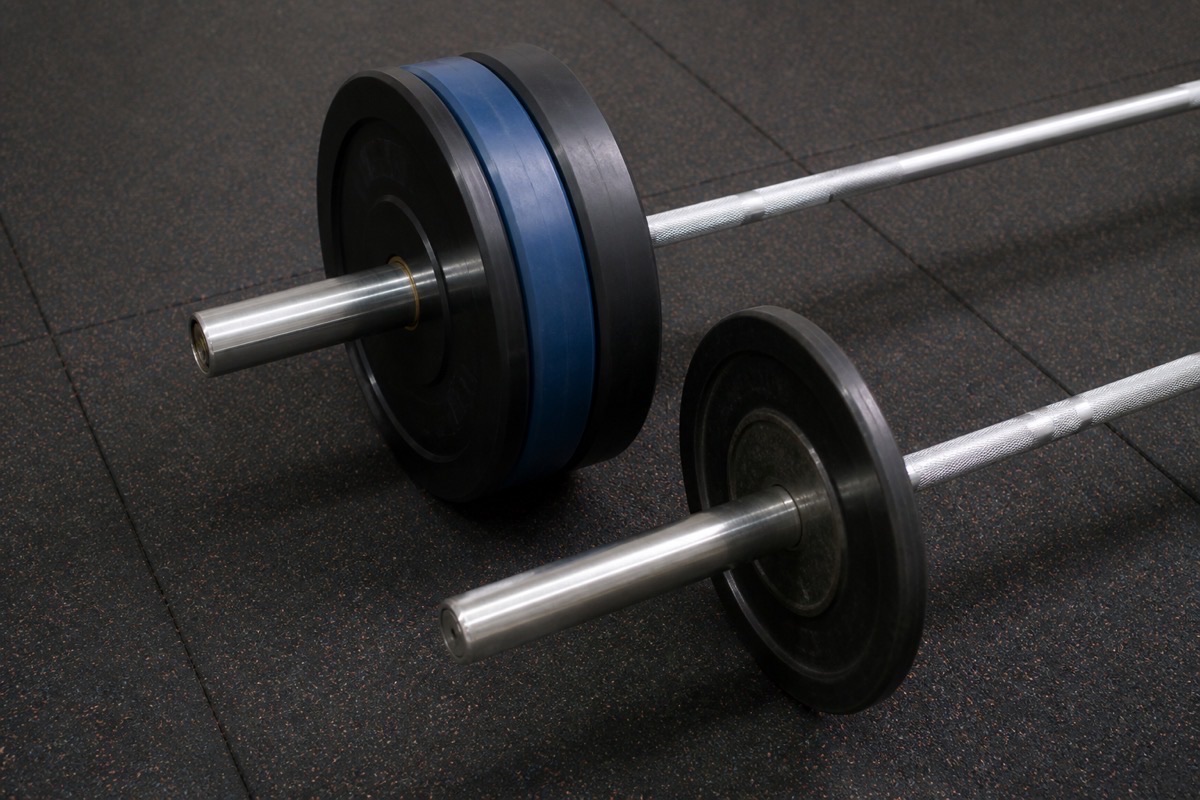
Photos do not show hole size
Lifestyle shots hide the insert. Vinyl weight plates and painted iron can look similar at 2 meters. Stainless steel weight plates are a different material conversation (corrosion, cost, gym look) and still need the hole specified. Dual-mark kg/lb plates can be Olympic or standard. Put the millimeter hole size on every RFQ line.
Spec comparison importers can paste
| Item | Olympic | Standard |
|---|---|---|
| Center hole (typical) | About 50.4 mm / 2 inch | About 25 mm / 1 inch |
| Bar pairing | Olympic / power bar sleeves | Standard home bars |
| Commercial gyms | Default for platforms and most racks | Rare as the only system |
| Home wholesale kits | Growing (full Olympic home gyms) | Still common in low-cost kits |
| Bumper construction | Usually Olympic diameter ~450 mm | Not a typical competition bumper |
| Risk if mixed | Olympic plates will not fit 1-inch bars | Standard plates rattle or will not fit Olympic sleeves |
Vinyl-coated plates are a jacket choice, not a hole-size choice. Stainless faces do not change collar diameter. If you sell both, use different SKU codes and carton marks. See also rubber-coated vs bumper vs cast iron for construction, and Olympic barbell bar specs for sleeve diameter on the bar side.
Market pattern, not a law: US and many EU commercial gyms specify Olympic collars. Some home-gym wholesale programs in price-sensitive channels still sell 1-inch standard bars with matching standard plate weights. Amazon-style listings that say “Olympic” on a 1-inch photo are a returns machine. Your import program should not copy that mistake. If you serve both, run two product names, two cartons, and two web SKUs. Dual kg/lb marks are allowed on either hole; dual marks do not mean dual holes.
Change plates and fractional plates follow the same hole rule as the main ladder. A 1.25 kg Olympic change plate will not rescue a 1-inch home bar. Grip plates and rubber-coated Olympic plates such as black rubber-coated 25 lb plates still need the millimeter hole on the PO—pound marks are a labeling choice, not a collar choice. Stainless steel weight plates are uncommon as the only gym set because of cost; when they appear, they are usually Olympic for commercial show floors. Vinyl weight plates more often show up on light home or color retail lines—again, specify the hole.
Adapters that sleeve a 1-inch bar up to 2-inch plates exist in retail drawers. Wholesale importers should not plan a catalog around adapters. They add SKUs, they get lost, and they are a support ticket. Order plates that match the bars you put in the same carton or the same gym install. If a customer already owns mixed bars, sell two plate families rather than one “universal” disc.
What importers should order
- Commercial gym and serious home Olympic rooms: Olympic hole, matching bars, bumper or iron as the program requires.
- Budget home kits on 1-inch bars: standard plate weights, and do not add “Olympic” to the listing.
- Retailers serving both: two SKU families, two carton marks, two web listings.
- Never assume a 20 kg disc is Olympic because it is thick.
Grip plates and four-rib iron still need the hole called out—see four-rib cast iron barbell weight plates as a construction example, then confirm collar size on the quote.
FAQ
Can I bush Olympic plates down to 1-inch bars?
Adapters exist in retail, but wholesale programs should not rely on them. Order the hole that matches the bar you ship. If a customer already bought the wrong plates, sell the matching bar or the matching plates—do not make adapters your catalog strategy.
Are all bumpers Olympic?
Serious bumpers for dropping almost always are. If a listing says bumper and shows a 1-inch bar, treat it as a different product and ask for the hole in mm. Thickness alone is not a bumper definition; construction and hole size together are.
Do vinyl weight plates come in both holes?
They can. Vinyl is the coating. Specify hole, weight, and color separately. A vinyl jacket on a standard plate is still a standard plate. Do not list it as Olympic because vinyl sounds commercial.
Should stainless steel weight plates be Olympic for gyms?
If the gym’s bars are Olympic, yes. Stainless is finish/material; it does not pick the collar for you. Confirm sleeve diameter on the bars in the same PO. A stainless disc on a 1-inch chrome home bar is a mismatch with an expensive surface.
Importer checklist in one block: (1) bar type Olympic or standard, (2) hole in millimeters, (3) construction bumper / coated / iron / vinyl / stainless, (4) kg or lb marks, (5) quantity by weight. Those five fields prevent the most common plate PO errors. Everything else—color, logo, packing—comes after the hole is locked. Yunlingyu will not assume Olympic because the email says “gym plates.”
If you are filling both a commercial club and a home-kit wholesale channel, run two SKU prefixes (for example OLY- and STD-) on cartons and invoices. Receiving staff should not need a caliper to see which pile is which. Put the prefix in the packing list and on the box, not only in your internal spreadsheet.
Worked importer case: you sell Olympic bumpers to gyms and a 1-inch painted iron kit to home retailers. Those are two POs in one container only if carton marks and hole sizes are impossible to mix at a glance. Use different carton colors or large hole-size text on the mark. Do not put both constructions in one “mixed plates” line on the invoice. When the home kit uses vinyl weight plates, still print “standard 25 mm” or “1 inch” on the box. When the gym kit uses stainless steel weight plates or bumpers, print “Olympic 50 mm.” The finish word is secondary; the hole word is primary.
Bars in the same booking must follow the same split. An Olympic steel power bar packed beside 1-inch plates is a receiving error waiting to happen unless the packing list says which cartons belong together as a kit. Kit cartons should list contents (bar + plates + collars) rather than only “fitness set.”
Conclusion
Importers should order Olympic plates for Olympic bars and standard plate weights for 1-inch bars, with the hole in millimeters on the PO. Yunlingyu quotes from that field plus construction. Send bar type and plate family on the quote page.
Confirming Olympic vs standard before you PO?
Send bar type and plate construction. Yunlingyu will quote hole size in millimeters so plates and bars actually fit.
About the Author
This guide is brought to you by Yunlingyu (Dingzhou Yunlingyu Sports Goods Co., Ltd.), a fitness equipment manufacturer specializing in dumbbells, weight plates, barbells, squat racks, Smith machines, benches, kettlebells, and related gym products for wholesale, OEM, and private-label buyers worldwide.

